📞Customer Service: +86 13248368268 📧servicecenter@suzhoufrank.com one year replacement and warranty!

Endoscopic Intervention Training Model
Training Model for Transnasal Sphenoid
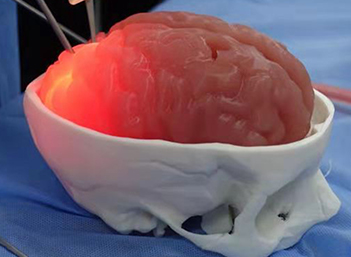
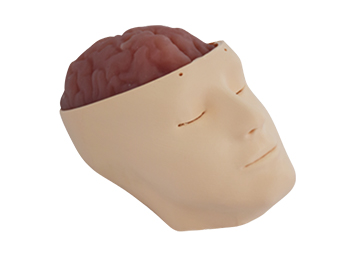
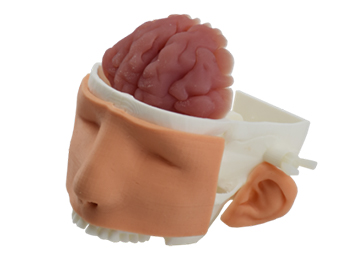
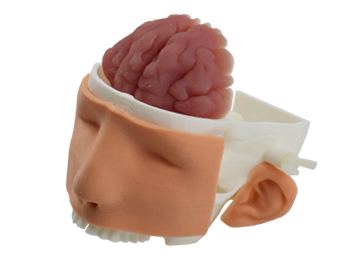
The Training Model for Transnasal Sphenoid Process Resection is a 3D-reconstructed model based on real human anatomy data, enhancing proficiency in neurosurgical procedures like sphenoid ridge resection and transsphenoidal approaches, with principal components including head, brain parenchyma, skull, and basal hematoma lesion, and supporting emergency neurosurgical treatment training with real clinical instruments.
Brand: FESTAK
Product Type: Endoscopic Intervention Training Model
Warranty: 12 Month
whatsapp & Wechat: +86 15900838626


Product Features & Anatomical Basis
This model is developed from real human anatomy data, specifically enhancing skills in neurosurgical procedures such as sphenoid ridge resection and transsphenoidal approach basic training, providing a realistic anatomical platform for neurosurgical practice.Principal Components & 3D Reconstruction
It features 3D reconstruction of the head, brain parenchyma, skull, and basal hematoma lesion, all based on real human data, ensuring anatomical accuracy for training purposes.Supported Projects & Clinical Relevance
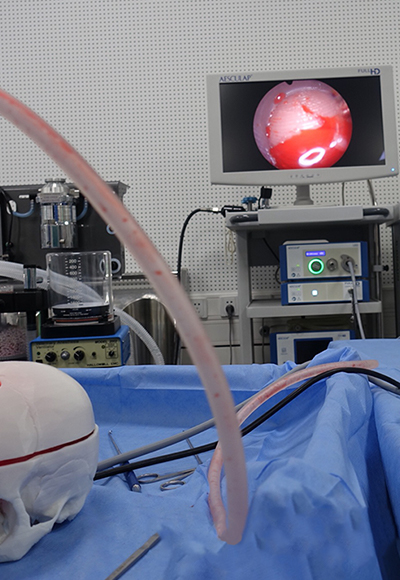
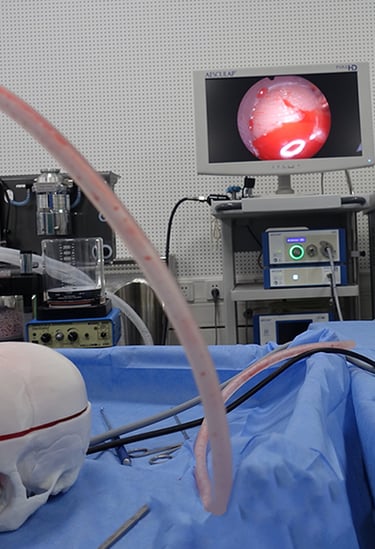
The model contributes to improving emergency neurosurgical treatment levels and allows operation with real clinical surgical instruments, bridging the gap between simulation and actual clinical practice.
Advantage
Reusable, reducing costs
1:1 Reproduction of Human Body Data
Excellent Layering
Easy to operate
Easy to carry
Different modules for choice

Gallery


Parameter
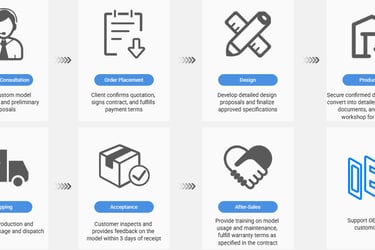
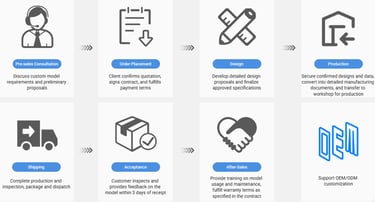
Model Customization Process


Client confirms quotation, signs contract, and fulfills payment terms







Develop detailed design proposals and finalize approved specifications
Secure confirmed designs and data, convert into detailed manufacturing documents, and transfer to workshop for production

Complete production and inspection, package and dispatch


Customer inspects and provides feedback on the model within 3 days of receipt


Provide training on model usage and maintenance, fulfill warranty terms as specified in the contract


Support OEM/ODM customization
Client Cases
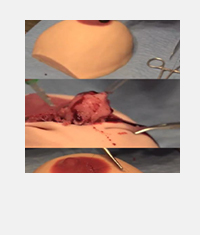
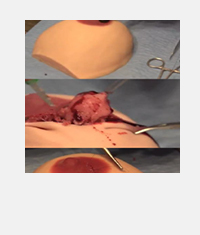
Breast tumour excision training model
Partial nephrectomy
Cystoscopy Training Model
ERCP Training Model
Lobectomy Training Model
Endoscopy Training Torso Model
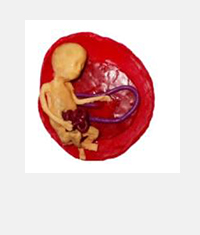
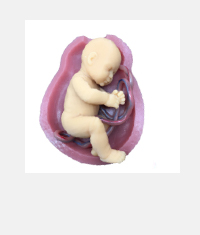
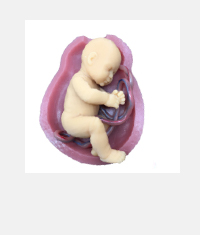
Obstetrics Model 1
Obstetrics Model 2
Radiofrequency Ablation Model
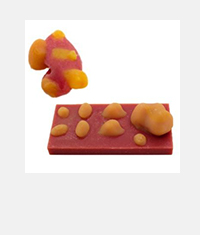
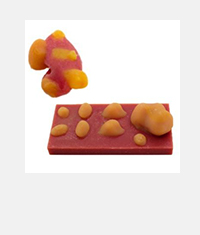
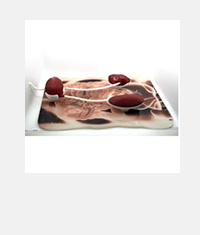
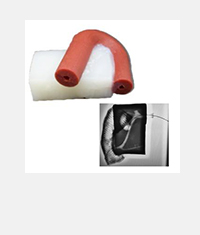
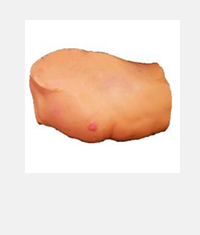
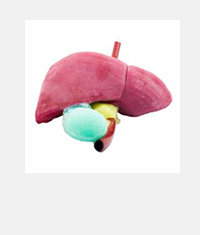
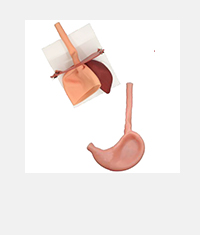
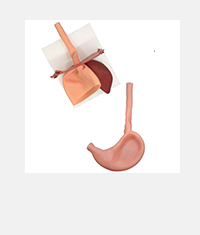
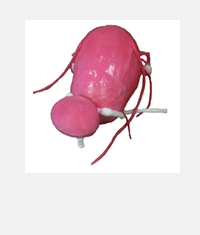
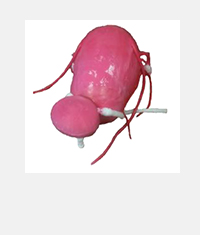
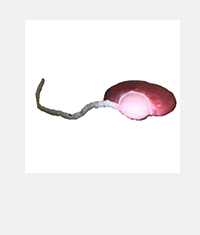
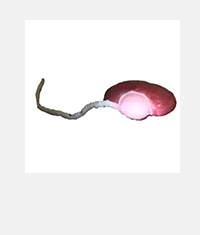
Gastroesophageal Reflux Model
Tracheal Intubation Training Model
Model of pyeloplasty
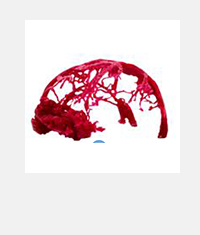
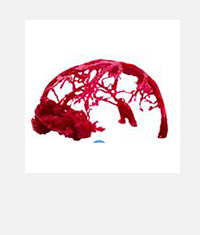
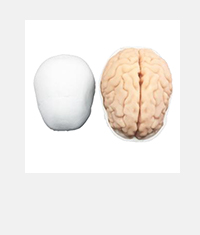
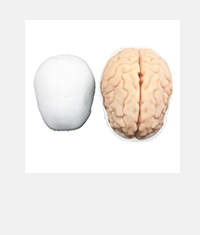
Cerebrovascular Tumour Model
Lateral Cerebral Puncture Drainage Model
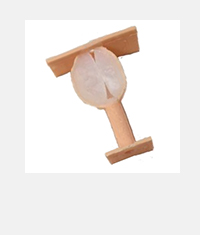
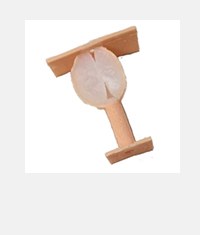
Prostate Implant Training Model
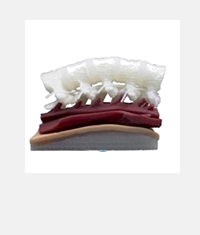
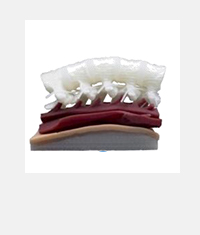
Spinal anaesthesia puncture model
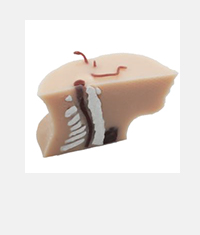
Neck anaesthesia Puncture model
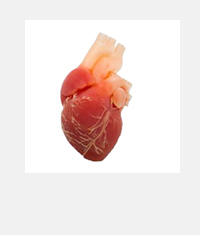
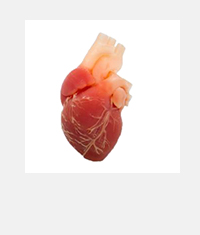
Cardiovascular Model
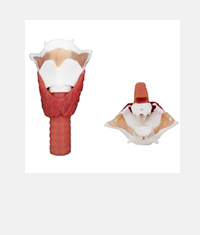
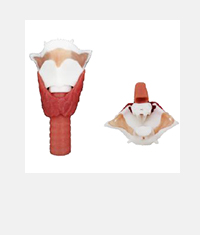
Tracheal Intubation Training Model
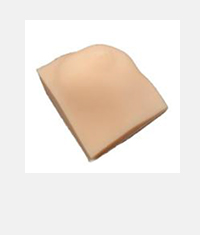
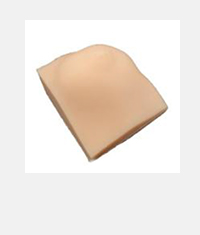
Mammary lesion excision
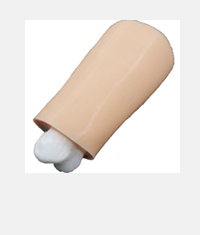
Varicose Vein Closure Training Model
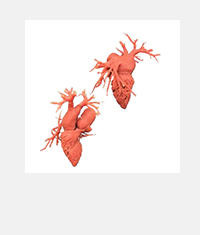
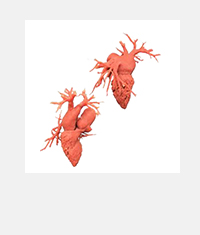
Congenital Heart Disease Imaging Model
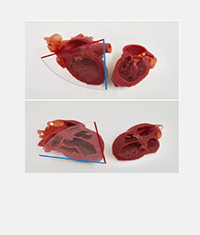
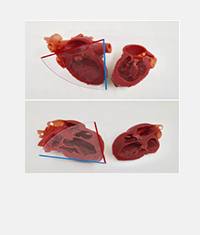
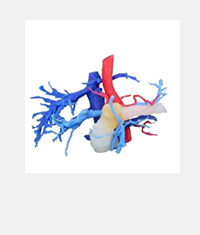
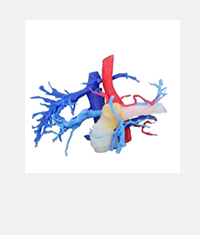
Pancreatic tumour model
TEE Cardiac ultrasound
Based on real human anatomy data, this 3D-reconstructed model enhances proficiency in sphenoid ridge resection and transsphenoidal neurosurgical procedures.
3D Reconstructed Transnasal Sphenoid Process Resection Training Model
Featuring 3D reconstruction of head, brain, skull, and basal hematoma lesion, this model supports training in transsphenoidal neurosurgical approaches.
Designed for neurosurgical emergency treatment training, this model allows operation with real clinical surgical instruments, simulating transnasal sphenoid process resection.
Transsphenoidal Approach Training Model with Basal Hematoma Lesion
Neurosurgical Emergency Treatment Training Model with Real Instruments
Frequently Asked Questions about Training Model for Transnasal Sphenoid
What is this training model for?
Transnasal sphenoid process resection and transsphenoidal neurosurgical procedures.
Is it based on real anatomy?
Yes, it’s based on real human anatomy data.
What are its principal components?
3D-reconstructed head, brain parenchyma, skull, and basal hematoma lesion.
Can it use real clinical instruments?
Yes, it can operate with real clinical surgical instruments.
Does it support emergency neurosurgery training?
Yes, it enhances emergency neurosurgical treatment levels.
What procedures does it enhance proficiency in?
Sphenoid ridge resection and transsphenoidal approaches.
© 2025. All rights reserved.
About Us
Introduction
Development
Cooperation
Service
Main Products
Medical Grade Monitor
No 15, Jinyang road KunshanSuzhou, Jiangsu, China